
Why a connected money system beats one‑off apps
From single tools to a joined‑up picture
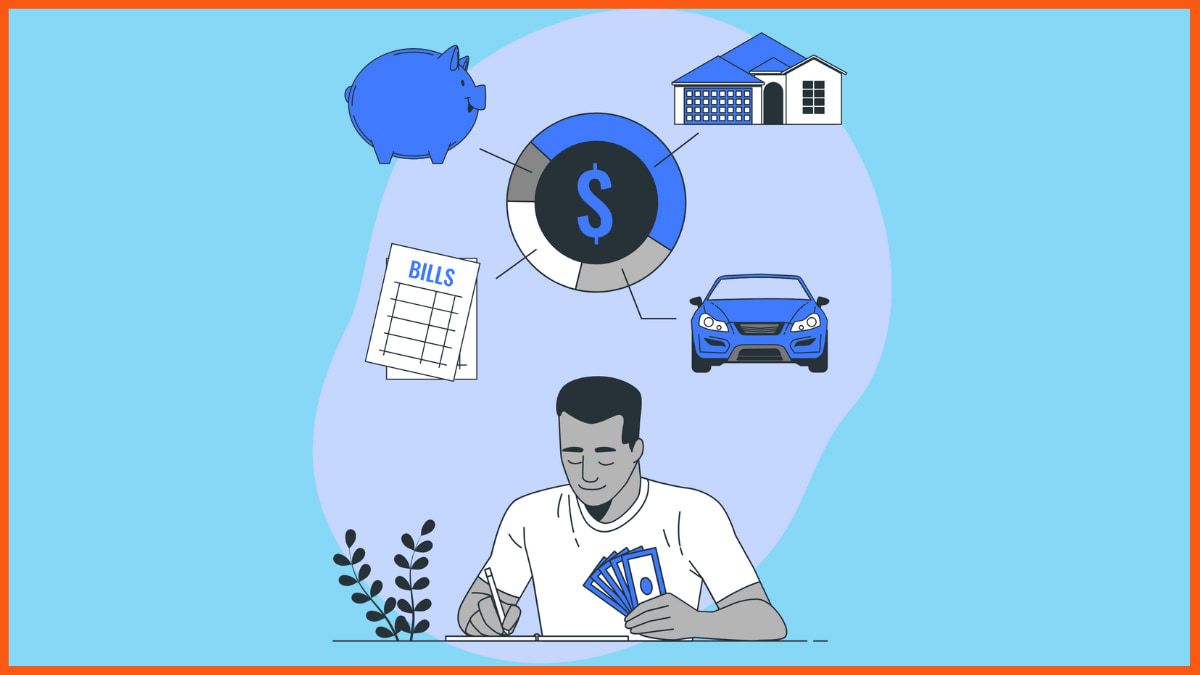
Many people start with one shiny download: a planner here, a savings account there, maybe an investing account later. Each feels useful on its own, yet life rarely stays that tidy. Bills land at awkward times, income changes, new goals appear, and the tools begin to feel like separate islands. The real upgrade comes when they are treated as parts of one map. When everyday spending, short‑term cushions and long‑term plans are viewed together, decisions stop feeling like guesses and start feeling like trade‑offs you understand. Cutting one type of spending might bring a goal closer; changing how you repay borrowing might free room for long‑term growth. Calm follows structure, not perfection.
Less noise, more signal when life gets messy
Markets jump around, appliances break, jobs change. Those bumps feel smaller when there is a clear view of how much cash is coming in, what must go out, which buffers exist, and how long‑term accounts are invested. Instead of opening many apps and mentally stitching the story together, a small cluster of connected tools or a single dashboard can show the essentials at a glance. That clarity lets small, repeatable improvements pile up quietly over months and years. Just as important, the setup can flex without being rebuilt whenever a new goal arrives; you simply plug it into the existing framework of spending, safety money and long‑term growth.
Turning tracking into decisions that match real life
Moving beyond “where did my money go?”
Most people first try digital tracking because cash seems to vanish. That awareness is valuable, but raw categories like “food” or “entertainment” do little by themselves. The shift happens when each pound or dollar is linked to something you actually care about: a rainy‑day buffer, paying down a lingering balance, funding time off later in life, or giving yourself more career freedom. Grouping expenses into “must‑haves,” “nice‑to‑haves,” and “future‑me” money makes trade‑offs visible. Once those patterns are clear, the app stops being a guilt‑inducing diary and becomes a steering wheel.
From monthly snapshots to longer trends
Short views hide slow drifts. Many tools now show several months side by side, revealing seasonal spikes, small subscriptions you forgot about, or lifestyle creep in certain categories. That longer timeline connects naturally to multi‑year aims like a home deposit, further education, or a sabbatical. Inside the same system, you can ask more useful questions: how much can be redirected each month, how long might different contribution levels take, and which categories are honestly worth their cost in delayed progress.
| Spending bucket | Typical contents | Best used for | Watch‑out |
|---|---|---|---|
| Essential costs | Housing, basic utilities, core transport | Keeping life stable and commitments honoured | Letting “optional” items sneak into this bucket |
| Flexible lifestyle | Eating out, streaming, shopping, hobbies | Daily enjoyment, relationships, mental recharge | Slow creep that quietly squeezes savings and investing |
| Future‑focused funds | Buffers, goal pots, long‑term accounts | Cushioning shocks, building choices and flexibility | Forgetting to adjust as income, goals or family shift |
Automating the boring parts of tracking
Linking bank and card accounts so transactions flow in automatically makes the picture more accurate and less biased by memory. People routinely underestimate tiny, frequent purchases and overestimate big, rare ones; automation corrects that. Rules and labels can group transactions, flag outliers or highlight categories close to limits. Over time, the experience feels less like constant homework and more like checking the dashboard of a car: quick glances, occasional adjustments, and very few surprises.
Anchoring everything with bills, buffers and borrowing health
Bills as the backbone of your cash‑flow calendar
Most people focus on one thing with bills: not missing due dates. Reminders and auto‑pay help, but the deeper question is how those payments shape each month’s breathing room. Lining bills up against paydays creates a personal cash‑flow calendar, revealing clusters that are stressful and quieter weeks that tempt overspending. Treating bills as the first claim on incoming money turns them into the backbone of your plan. Once those are covered through a dedicated bill account or automatic transfers, whatever remains can be split between flexible spending, short‑term goals and long‑term building without constant anxiety about surprises.
Protecting your reputation with lenders
Borrowing health often feels like a mysterious three‑digit score that only matters at application time. Viewed inside your everyday system, it becomes ongoing feedback. On‑time payments, how much of available credit you use, how long accounts have been open, and how often you apply for new products all leave tracks. A simple panel showing upcoming payments, current utilisation of cards and recent account changes can make the drivers obvious. That perspective also prevents well‑meant missteps, such as closing every unused card at once or leaning on short‑term credit to fill budget gaps that could have been spotted earlier.
| Habit or choice | Likely long‑term effect on borrowing health | Where tools can help |
|---|---|---|
| Paying every bill on or before due | Builds a reputation for reliability | Calendar links, auto‑pay, unified bill lists |
| Using most of your card limit | Signals heavier dependence on short‑term borrowing | Usage alerts, limits inside spending categories |
| Frequent new applications | Can look like financial strain or instability | Reminders before applying, goal‑based product comparison |
| Keeping old, low‑cost accounts open | Often supports longer histories and capacity | Account overview to track what is still active |
Letting money move automatically to the right places
“Paying your future self” first
Relying on willpower at the end of the month rarely works. A more reliable pattern is to treat saving and investing like non‑negotiable bills that happen right after income arrives. Separate accounts for buffers, near‑term goals and long‑term growth reduce the temptation to dip in “just this once.” Even small automatic amounts can matter, because the big win is removing monthly debates with yourself. Start at a level that barely pinches, watch how life feels for a few months, then slowly turn the dial upward when comfortable.
Layering today, soon and later
One helpful mental model is three layers. The first layer is today’s money: groceries, transport, entertainment and regular bills. The second is soon‑ish money: emergency cushions and savings for the next couple of years. The third is later money: funds you do not plan to touch for a long time, which can ride out market swings. Clear rules about how much belongs in each layer, and automatic transfers that maintain those ranges, keep day‑to‑day choices from accidentally raiding long‑term plans. Pay rises, windfalls or side income can then be split across the layers by default, rather than disappearing into lifestyle upgrades alone.
Blending short‑term aims with long‑term growth
Once buffers are in place, many investing platforms let you create separate “buckets” under one roof: one aimed at later‑life income, another for a major purchase, another for general wealth building. Each can have its own time horizon and comfort with ups and downs. Behind the scenes, the service proposes mixes of assets and automatically nudges them back into balance over time. Simple calculators can show how changing monthly contributions or adjusting borrowing repayments might affect the likelihood of reaching each aim. The goal is not perfect prediction, but clearer trade‑offs you can live with.
Growing from scattered tools to a resilient system
Treating apps as building blocks, not magic solutions
New apps are tempting, but piling on more icons rarely creates stability. Thinking in building blocks helps: one tool to understand where money goes, one to schedule and protect essential payments, one to automate moves into safety pots, one to turn surplus into long‑term assets. The pieces do not need to live in a single brand or interface, so long as they reflect the same plan. Over time, you can swap out individual blocks for better ones without dismantling the entire structure, because the underlying rules stay the same.
Keeping flexibility at the centre
Life will keep changing: income, health, relationships, housing. A resilient money setup expects that. Buffers are sized with fluctuation in mind, budgets leave some wiggle room, and the investing approach matches real tolerance for risk instead of an idealised version. Many people reserve a “guilt‑free” pocket of cash each month that does not have to be explained or optimised, which makes the broader framework easier to stick with. Occasional reviews—perhaps a few times a year—are used to gently adjust contributions, revisit goals and tweak categories, not to chase every market headline.
From reacting to steering
Over time, the experience shifts from constant fire‑fighting to quiet guidance. Income arrives and is automatically split; bills are covered on schedule; buffers slowly thicken; long‑term holdings grow and rebalance in the background; your reputation with lenders strengthens through repeated, ordinary reliability. The same small screens that once produced worry start to offer reassurance: a clear list of obligations, visible progress bars for goals, and a sense that today’s choices are connected to tomorrow’s options. That alignment—not perfection, not clever tricks—is what turns a handful of everyday tools into a genuinely smarter money system.
Q&A
-
How do budgeting apps differ from simple expense tracking tools?
Budgeting apps not only record spending but also set category limits, forecast cash flow, sync with bank accounts, and give insights, while basic expense trackers mainly log and categorize past transactions. -
What’s the best way to use bill reminders to avoid late fees?
Centralize all due dates in one app, enable push and email alerts, set reminders a few days before and on the due date, and, where safe, combine with automatic payments from a monitored account. -
How can credit score monitoring in apps actually improve my score?
By showing score drivers, alerting on new accounts or inquiries, and simulating changes, these tools help you target actions like lowering utilization, paying on time, and correcting errors faster. -
Are automatic savings features safe, and how should I set them up?
They’re generally safe when regulated and linked to insured accounts; start with small, regular transfers, align with paydays, and adjust rules if they cause overdrafts or short‑term cash stress. -
What should I look for when choosing investment platforms integrated into budgeting apps?
Assess fees, available assets, minimums, tax features, and ease of transferring funds, and ensure clear risk disclosures and separation between day‑to‑day cash management and long‑term investments.